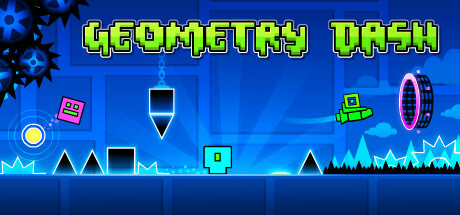
Geometry Dash — один из самых долгоживущих культовых хитов на ПК, но разрыв между крупными обновлениями измеряется годами. Обновление 2.2 наконец-то вышло после шестилетнего ожидания, а 2.3 ещё маячит на горизонте. Игроки, которые прошли официальные уровни и хотят больше ритм-твичевых вызовов, ищут альтернативы. Мы потратили пару недель на тестирование ритм-игр и платформеров на ПК и собрали семь альтернатив Geometry Dash, которые дают той же ощущение.
Это руководство охватывает игры, которые объединяют точный ритм-синхронизированный тайминг с реакционными вызовами. Некоторые — это прямые ритм-платформеры, другие — ритм-игры с элементами платформинга, а одна — подземелье с биением в основе. Все они работают на ПК и имеют сообщества, которые создают пользовательские уровни или чарты.
Быстрое сравнение
| Игра | Лучше всего для | Стоимость | Где купить | Отличительная черта |
|---|---|---|---|---|
| osu! | Навыки ритма | Бесплатно | osu.ppy.sh | Огромный каталог песен сообщества |
| Just Shapes & Beats | Ритм-bullet hell | $14.99 | Steam | Story mode и кооп |
| A Dance of Fire and Ice | Чистая ритм-точность | $5.99 | Steam | Одна кнопка, эскалация сложности |
| Rhythm Doctor | Ритм на одной клавише | $14.99 | Steam | Повествовательная кампания |
| Friday Night Funkin' | Рэп-батл ритм | Бесплатно | gamejolt.com | Бесконечная сцена модов |
| Project Arrhythmia | Ритм с пользовательскими уровнями | $14.99 | Steam | Встроенный редактор |
| Crypt of the NecroDancer | Ритм-подземелье | $14.99 | Steam | Гибрид roguelike и ритма |
Почему люди уходят из Geometry Dash на ПК
Жалобы повторяются в r/geometrydash, на форумах Newgrounds и в вики-сообществе Geometry Dash:
Крупные обновления занимают годы
Разрыв между 2.1 и 2.2 составил более шести лет. Игроки, закончившие официальную кампанию, циклировали пользовательские уровни и испытания уровня Demon, чтобы оставаться занятыми, но отсутствие нового официального контента отталкивает много случайных игроков.
Кривая сложности жестока
Уровни сообщества Demon могут потребовать сотни попыток и идеальные по кадрам входы. Для игроков, которые хотят вызова без гринда одного уровня, официальная кампания не предлагает много середины между Нормальным и Demon.
Версия для ПК кажется вторичной по отношению к мобильному оригиналу
Редактор уровней зрелый, но версия для ПК наследует много мобильных пользовательских соглашений. Отсутствуют некоторые функции качества жизни, обычные для ритм-игр на ПК.
Официальная сцена сильно зависит от Geode и модов
Платформа модинга Geode — это то, что держит ПК GD современным. Пользовательские моды, хаки и инструменты ожидаются для серьезных игроков, что означает, что ванильный опыт кажется неполным.
Альтернативы
osu! — Лучший навыко-ориентированный ритм
osu! — это ритм-игра, которая больше всего вероятно поглотит ваше свободное время на годы. Каталог сообщества огромен, выбор песен охватывает все жанры, и четыре режима игры (Standard, Taiko, Catch, Mania) дают вам четыре разные ритм-игры в одном клиенте. Клиент lazer (клиент следующего поколения osu!) теперь стабилен и заменяет старый клиент для большинства игроков.
Для беженцев Geometry Dash режим Standard вознаграждает точный тайминг щелчков, а режим Mania ближе к вертикальной полосе прокрутки ритм-игры. Потолок мастерства фактически бесконечен, потому что сообщество продолжает создавать более сложные карты.
Где это не срабатывает: Кривая обучения крутая, а карты ранней игры могут быть обескураживающими. Двумерный интерфейс щелчка по кругу менее визуально ударен, чем платформинг GD. Бесплатно с дополнительной поддержкой, что означает отсутствие реальных крючков прогрессии, кроме личного pp-рейтинга.
Цены:
- Бесплатно скачать и играть
- osu!supporter: $4 в месяц за косметические привилегии
- vs GD: Бесплатно в базе, гораздо более широкая библиотека контента.
Переключение с GD: Клик и тайминг цели заменяют платформинг. Рефлекс-тренировка переходит. Карты сообщества — основная достопримечательность.
Загрузить: osu! official site
Суть: Выберите osu!, если вы хотите глубокую, бесплатную ритм-игру с бесконечным контентом. Пропустите, если вы специально хотели платформинг.
Just Shapes & Beats — Best bullet hell rhythm
Just Shapes & Beats — наиболее доступная ритм-экшн игра в этом списке. Вы уклоняетесь от геометрических пуль, синхронизированных с тяжелым электронным саундтреком. Визуальные эффекты пульсируют в ритм музыки, что делает игровой процесс хореографическим. Режим истории короткий, но плотно сработан, и кампания поддерживает кооп для четырех игроков локально или онлайн.
Для игроков Geometry Dash связь — это музыко-ориентированный дизайн. Боссы построены вокруг треков, а не наоборот, что похоже на то, как лучшие уровни GD. Режимы сложности (Normal, Hardcore, Insane) дают вам четкую прогрессию без гринда режима практики, который требует GD.
Где это не срабатывает: Короткая основная кампания, может быть, четыре часа. Пакеты DLC (Lost Levels, Time Smashers) расширяют его, но общий контент все еще менее чем GD каталог уровней. Нет редактора уровней, что ограничивает длинный хвост.
Цены:
- $14.99 базовая игра (скидки до $5)
- Пакеты DLC: по $5 каждый
- vs GD: Сопоставимо для базовой опытности.
Переключение с GD: Движение всенаправленно, не только прыжки. Визуальное чтение пуль заменяет предсказательный платформинг.
Загрузить: Steam
Суть: Выберите JSAB, если вы хотите дружественную кооп ритм-экшн игру с отличным саундтреком. Пропустите, если вы хотели постоянный одиночный контент.
A Dance of Fire and Ice — Best pure rhythm precision
A Dance of Fire and Ice — ближайший минималистский кузен Geometry Dash. Вы постукиваете в ритм, чтобы два шара вращались по трассе. Трасса скручивается и изгибается синхронно с музыкой, что заставляет вас читать ритм точно. Есть только одна кнопка, но эскалация сложности через десятки официальных уровней крутая, и мастерская сообщества имеет тысячи пользовательских уровней.
Для игроков GD цикл идентичен: выучи песню, выучи уровень, падай, пока ты не овладеешь им. Стиль искусства чище чем GD, который предпочитают некоторые игроки.
Где это не срабатывает: Однокнопочный интерфейс чище чем переменные механики GD, но также проще. Визуальное разнообразие ограничено по сравнению с эволюцией сцены GD. Мобильное происхождение видно в некоторых выборах пользовательского интерфейса.
Цены:
- $5.99 базовая игра (часто $3 на распродаже)
- vs GD: Дешевле. Сопоставимая глубина через пользовательские уровни.
Переключение с GD: Ментальная модель переходит прямо. Сократите свои входы до одной кнопки и читайте ритм.
Загрузить: Steam
Суть: Выберите ADOFAI, если вы хотите минималистскую ритм-точность с мастерской. Пропустите, если вы специально хотели разнообразные механики сцены GD.
Rhythm Doctor — Best one-key rhythm with story
Rhythm Doctor рассматривает ритм-игры как рассказ. Вы медицинский интерн в больнице, где нужно исправлять сердцебиение пациентов. Каждый уровень — это песня с сюжетным ударом, одной клавишей для нажатия и требуемого точного чтения. Кампания имеет реальный сюжет, реальных персонажей и, возможно, лучший саундтрек в этом списке.
Для игроков GD связь в точности и музыко-ориентированном дизайне. Однокнопочный ввод ближе к ADOFAI, но уровни ощущаются как миниатюрные сцены со своими механиками, что ближе к разнообразию GD.
Где это не срабатывает: Однокнопочные входы звучат легче, чем они есть. Темп уровней более линеен, чем управляемая редактором библиотека сообщества GD. Поддержка пользовательских уровней существует, но сообщество меньше.
Цены:
- $14.99 базовая игра (скидки до $8)
- vs GD: Сопоставимо.
Переключение с GD: Читайте музыку, нажимайте одну клавишу на седьмом ударе. Ментальная модель отличается, но ритм-мышца переходит.
Загрузить: Steam
Суть: Выберите Rhythm Doctor, если вы хотите управляемый рассказом ритм с отличной музыкой. Пропустите, если вы хотели мастерскую-управляемое сообщество.
Friday Night Funkin’ — Best rap-battle rhythm
Friday Night Funkin’ начался как проект Newgrounds Jam и превратился в самое большое сообщество модов в ритм-играх. Базовая игра короткая, но сцена модов бесконечна. Whitty, Bob, Tricky, Pibby, каждый мод имеет своих персонажей, чарты и саундтреки. Если вы хотите культуру редактора уровней GD в другом музыкальном жанре, FNF — это место для поиска.
Экосистема модов работает на исполняемых файлах Friday Night Funkin’ и базовых активах, что означает, что вы будете загружать пакеты модов из источников, таких как GameBanana и GameJolt. Funkin’ Crew все еще работает над Week 8 и официальным обновлением Hotfix, что держит базовую игру живой.
Где это не срабатывает: Установка модов более хлопотна, чем редактор GD. Некоторые пакеты модов багаты или заброшены. Производительность на старом оборудовании может быть неравномерной. Эстетика намеренно грубая.
Цены:
- Бесплатно базовая игра
- Моды бесплатны
- vs GD: Бесплатно против платный. FNF имеет более дешевый барьер.
Переключение с GD: Ритм-ввод двуручный (стрелочки). Визуальный стиль дикий. Оба сильно зависят от контента сообщества.
Загрузить: GameJolt
Суть: Выберите FNF, если вы хотите бесплатную ритм-игру с огромной сценой модов. Пропустите, если вы хотели полированные визуальные эффекты.
Project Arrhythmia — Best custom level rhythm
Project Arrhythmia — это ритм-платформер с лучшим встроенным редактором на ПК. Вы уклоняетесь от геометрических фигур, которые пульсируют в ритм музыки, похоже на Just Shapes & Beats, но редактор дает вам инструменты для построения уровней самостоятельно. Сообщество построило тысячи уровней в таблице Arcade.
Для игроков GD редактор — главная привлекательность. Построение уровня в Project Arrhythmia ближе к работе в редакторе GD, чем любая другая игра в этом списке, просто с пулями вместо платформинга.
Где это не срабатывает: Режим истории ограничен по сравнению с JSAB. Визуальный стиль менее иконичен. Редактор мощный, но имеет кривую обучения. Производительность на плотных пуля-паттернах может быть неровной на интегрированной графике.
Цены:
- $14.99 базовая игра (скидки до $7)
- vs GD: Сопоставимо.
Переключение с GD: Движение заменяет прыжки. Редактор будет ощущаться знакомым через несколько часов. Сцена Arcade сообщества — длинный хвост.
Загрузить: Steam
Суть: Выберите Project Arrhythmia, если вы пришли к GD для редактора и хотите аналогичный инструмент с свежим жанром. Пропустите, если вы хотели курируемую кампанию.
Crypt of the NecroDancer — Best rhythm dungeon crawler
Crypt of the NecroDancer — это ритм-игра, которая перешла на фанов roguelike. Вы движетесь и атакуете в ритм саундтрека, с каждым треком на фиксированном BPM, который определяет, как быстро подземелье течет вокруг вас. Расширение Crypt of the NecroDancer: AMPLIFIED и DLC Hatsune Miku продолжают рост каталога песен.
Для игроков GD связь в ритм-синхронизированном вводе. Жанр подземелья — это оболочка, но основной навык — чтение ритма и тайминг.
Где это не срабатывает: Слой roguelike — главная игра; если вы отскочили от roguelike, это вас не потянет. Сложность масштабируется резко, когда вы толкаете мимо ранних этажей. Темп диктуется BPM песни, что некоторые находят ограничивающим.
Цены:
- $14.99 базовая игра (скидки до $4)
- Расширение AMPLIFIED: $6.99
- DLC Miku: $9.99
- vs GD: Сопоставимая базовая цена.
Переключение с GD: Чтение ритма идентично. Жанр-обертка (roguelike подземелье) совершенно новый.
Загрузить: Steam
Суть: Выберите NecroDancer, если вы хотите ритм roguelike с отличным саундтреком. Пропустите, если вы хотели чистый платформинг.
Как выбрать
Правильная альтернатива Geometry Dash зависит от того, что вам на самом деле нравилось в Geometry Dash.
Вам понравился редактор уровней и загрузки сообщества: Project Arrhythmia или Friday Night Funkin’. Project Arrhythmia имеет полированный редактор, FNF имеет экосистему модов.
Вам понравился точный платформинг: A Dance of Fire and Ice — ближайший минималистский матч. Crypt of the NecroDancer — ближайший ритм-экшн матч.
Вам понравился саундтрек и музыко-ориентированный дизайн: Just Shapes & Beats, Rhythm Doctor и Crypt of the NecroDancer все имеют саундтреки, стоящие входной цены в одиночку.
Вы хотели что-то бесплатное: osu! и Friday Night Funkin’ оба бесплатны. osu! — более глубокая ритм-игра; FNF — более управляемая модами сцена.
Вы хотели историю рядом с ритмом: Rhythm Doctor или Just Shapes & Beats. Оба имеют кампании с реальными повествовательными ударами.
Остаться на Geometry Dash если: Вы инвестировали в редактор уровней, у вас есть Twitch присутствие, построенное вокруг GD спидрана, или вы работаете через Demon-tier лестницу вызовов. Ни одна из этих альтернатив не имеет точной культуры GD.
Часто задаваемые вопросы
Какая лучшая бесплатная альтернатива Geometry Dash?
osu! — более глубокая ритм-игра и Friday Night Funkin’ — более управляемая модами сцена. Оба бесплатны. Для беженцев Geometry Dash в частности, osu!mania ближе к формату падающих нот и FNF ближе к формату музыкального видео.
Похож ли A Dance of Fire and Ice на Geometry Dash?
ADOFAI — ближайший минималистский брат GD. Одна кнопка, чтение ритма, эскалирующая сложность, пользовательские уровни через мастерскую. Визуальный стиль чище и ввод проще.
Какая ритм-игра имеет лучший саундтрек?
Crypt of the NecroDancer для оригинальных треков Danny Baranowsky, Just Shapes & Beats для электронной танцевальной музыки и Rhythm Doctor для самой сплоченной темы. Все три стоит играть только для музыки.
Могу ли я импортировать уровни Geometry Dash в эти альтернативы?
Нет, форматы уровней несовместимы. Project Arrhythmia имеет наиболее похожий на GD редактор, но уровни должны быть пересозданы с нуля. Навыки, которые вы развили в редакторе GD, передаются хорошо, файлы нет.
Эти альтернативы легче, чем Geometry Dash?
Большинство из них имеют более низкие пороги входа. Потолок мастерства сопоставим. ADOFAI и Project Arrhythmia в частности могут соответствовать или превышать сложность Geometry Dash Demon на верхнем конце.
Почему Beat Saber не в этом списке?
Beat Saber требует оборудование VR. Это руководство сосредотачивается на плоскоэкранных настольных альтернативах, которые игроки GD могут подхватить без покупки гарнитуры.